
One moment
A local’s guide to the city we operate in. Written by the people who walk these streets every day, not the ones who wrote the chamber-of-commerce brochure.
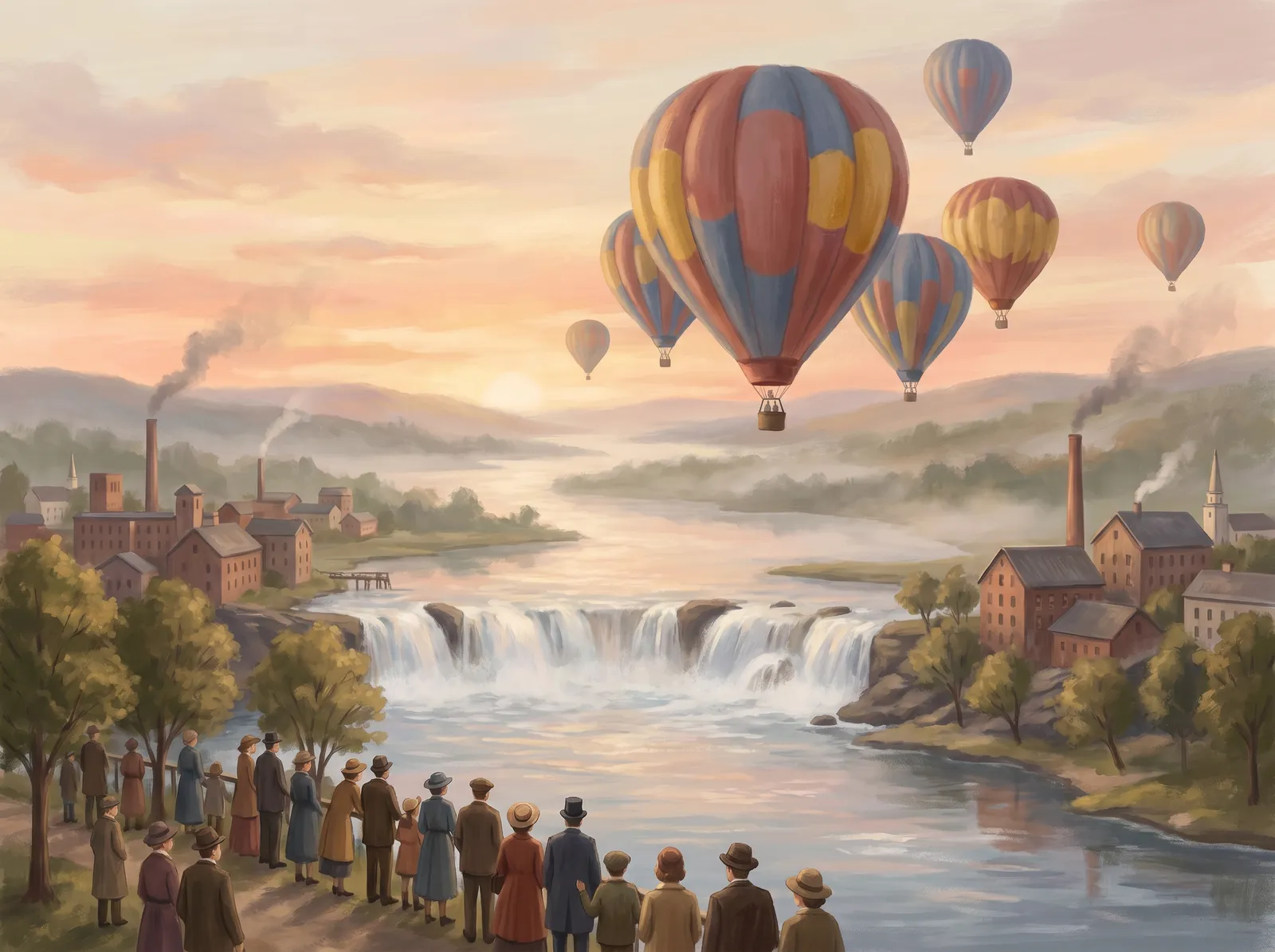
In 1835, the factory system of making shoes was born here. Joseph Roak opened the first shop on Center Street — not far from where our front desk stands today. For over a century, Auburn exported craftsmanship to the world. In 1917, a single Auburn factory made 75% of the world’s white canvas shoes.
The city is the twin of Lewiston across the Androscoggin River — together called L/Aby locals. Both cities were built by French-Canadian families who came by rail from Quebec in the 1880s to work the mills and the shoe shops. A century and a half later, you’ll still hear French spoken in front of Grant’s Bakery on a Saturday morning. The tourtière on the menu, the names on the storefronts, the choir at the Gendron Franco Center — they are all Quebec’s long echo in central Maine.
Auburn has 20 sites on the National Register of Historic Places. In 1917, it became the first Maine city to adopt council-manager government — a quiet municipal first that says something about the place.
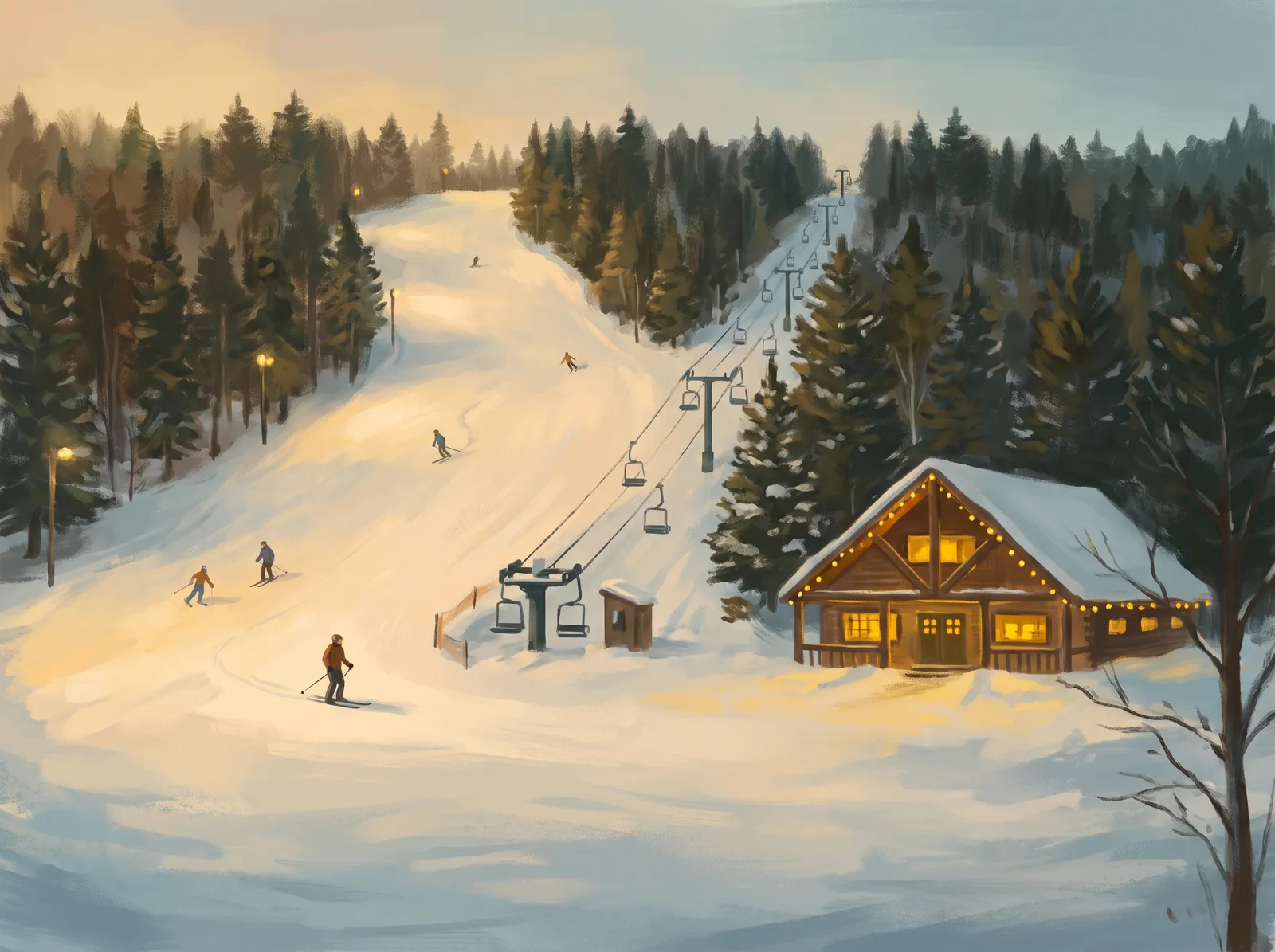
Maine's official 'Learn to Ski & Snowboard' area. Summer: mountain biking trails, brewpub at the base lodge.

Fishing (salmon, bass, brook trout), kayaking, the Whitman Spring Road Trail for a quick walk.
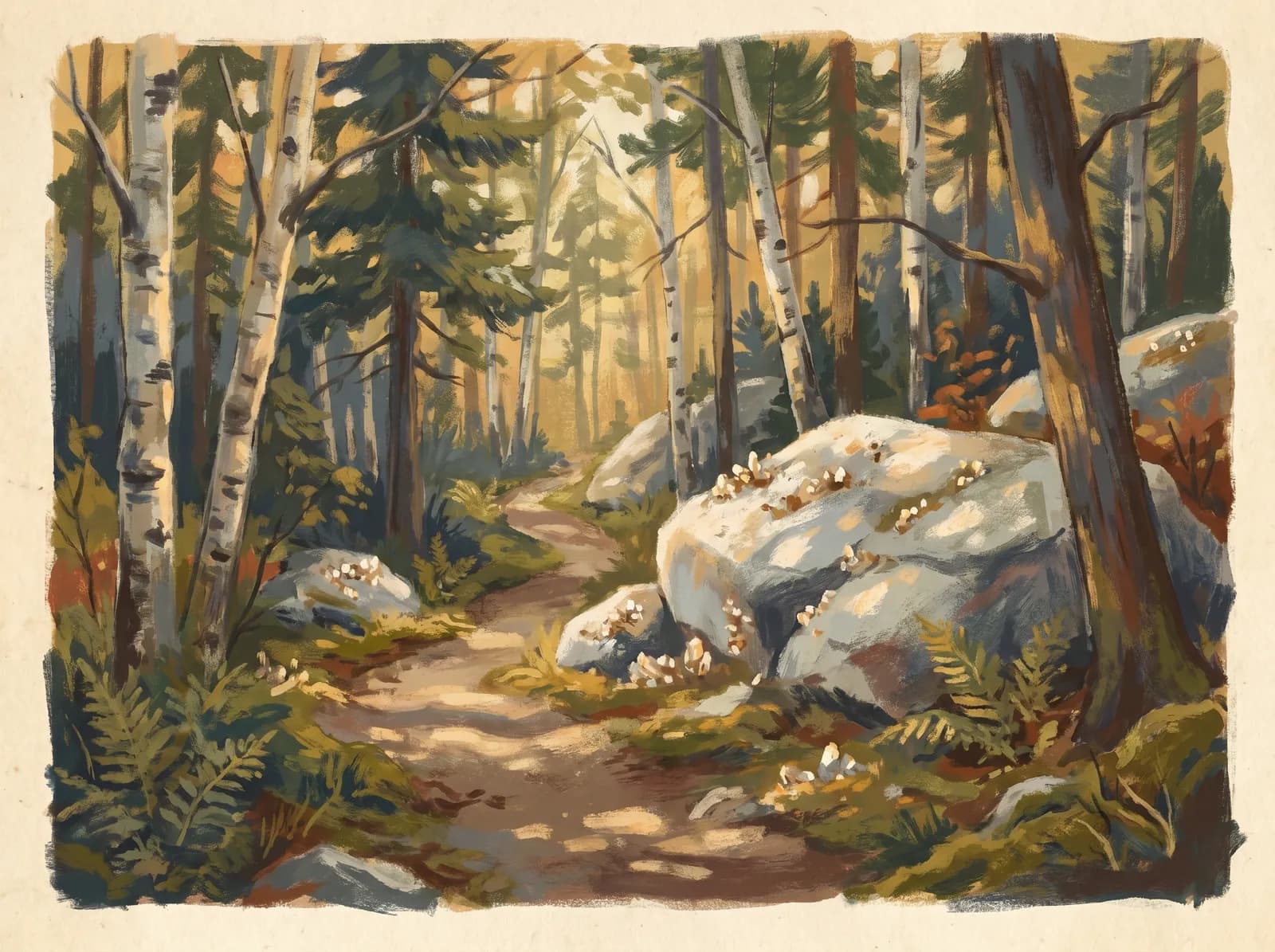
325-acre park — one of New England's biggest rockhounding sites. Hunt for tourmaline, quartz, and apatite crystals.
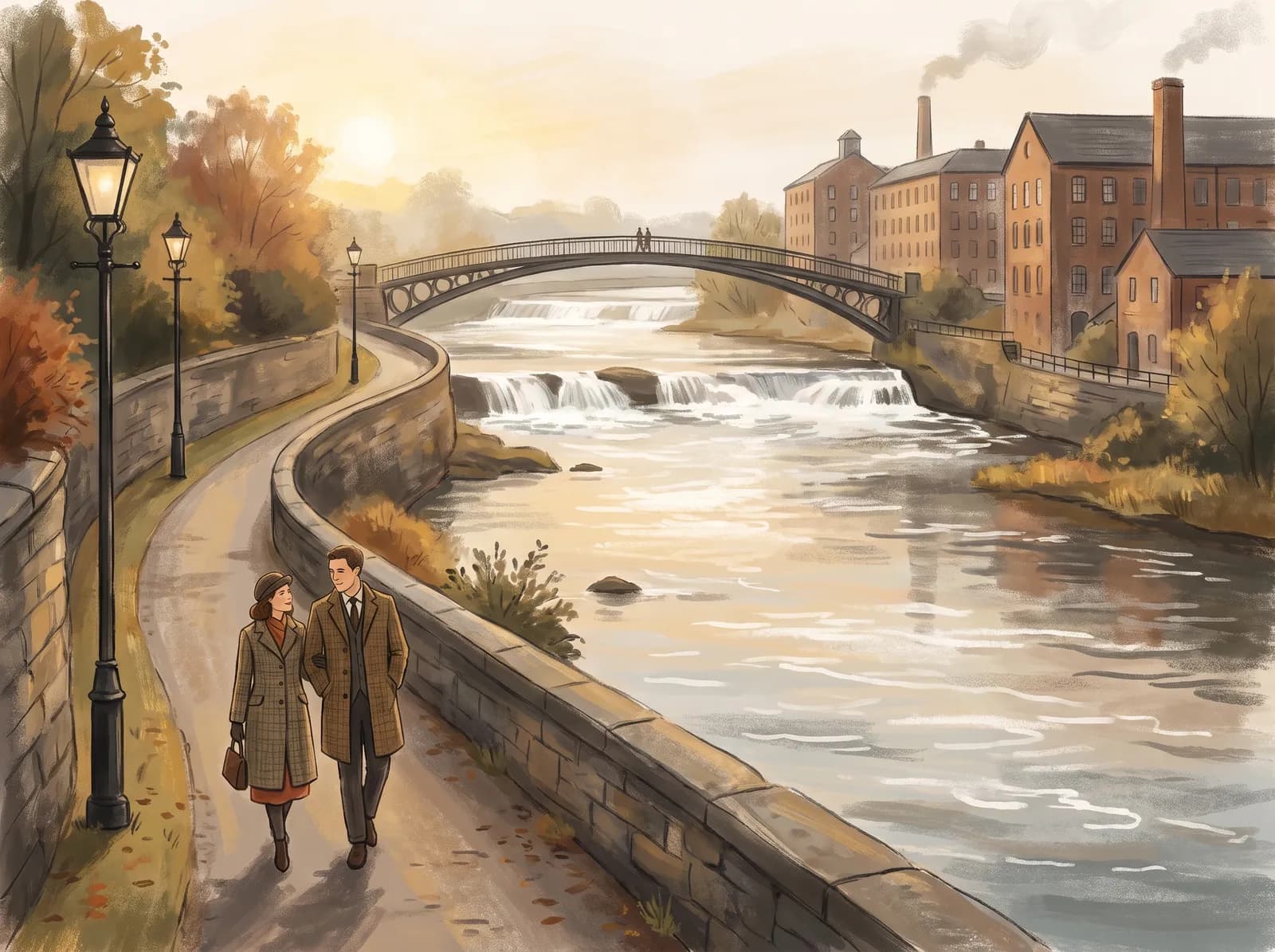
Mile-long paved path along the river, Festival Plaza with the Falls Fountain and the Shoe Fountain sculpture.

12 miles of multi-use trails along the river, perfect for a day hike or bike ride.
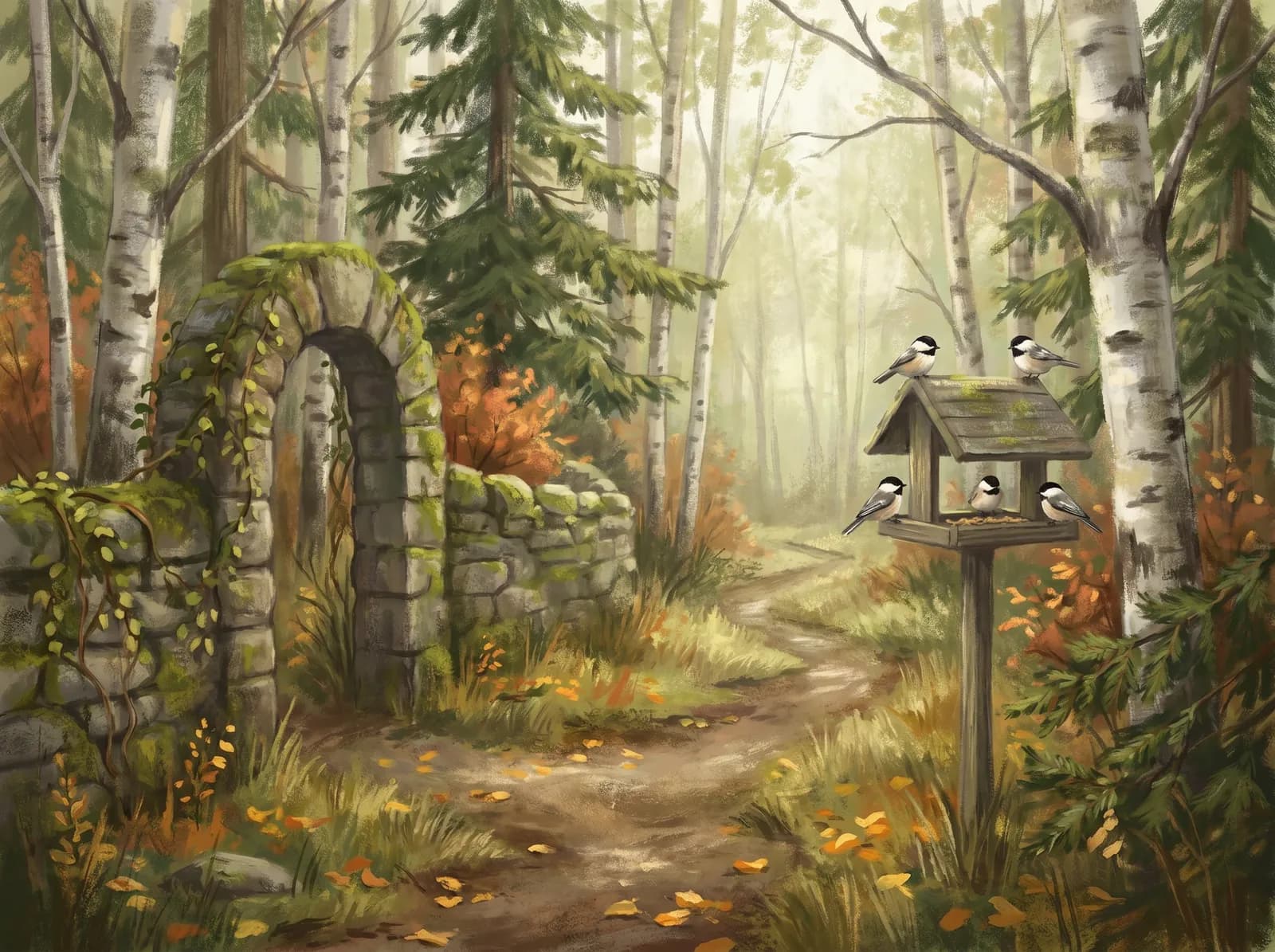
357-acre bird sanctuary, one of the largest in New England.
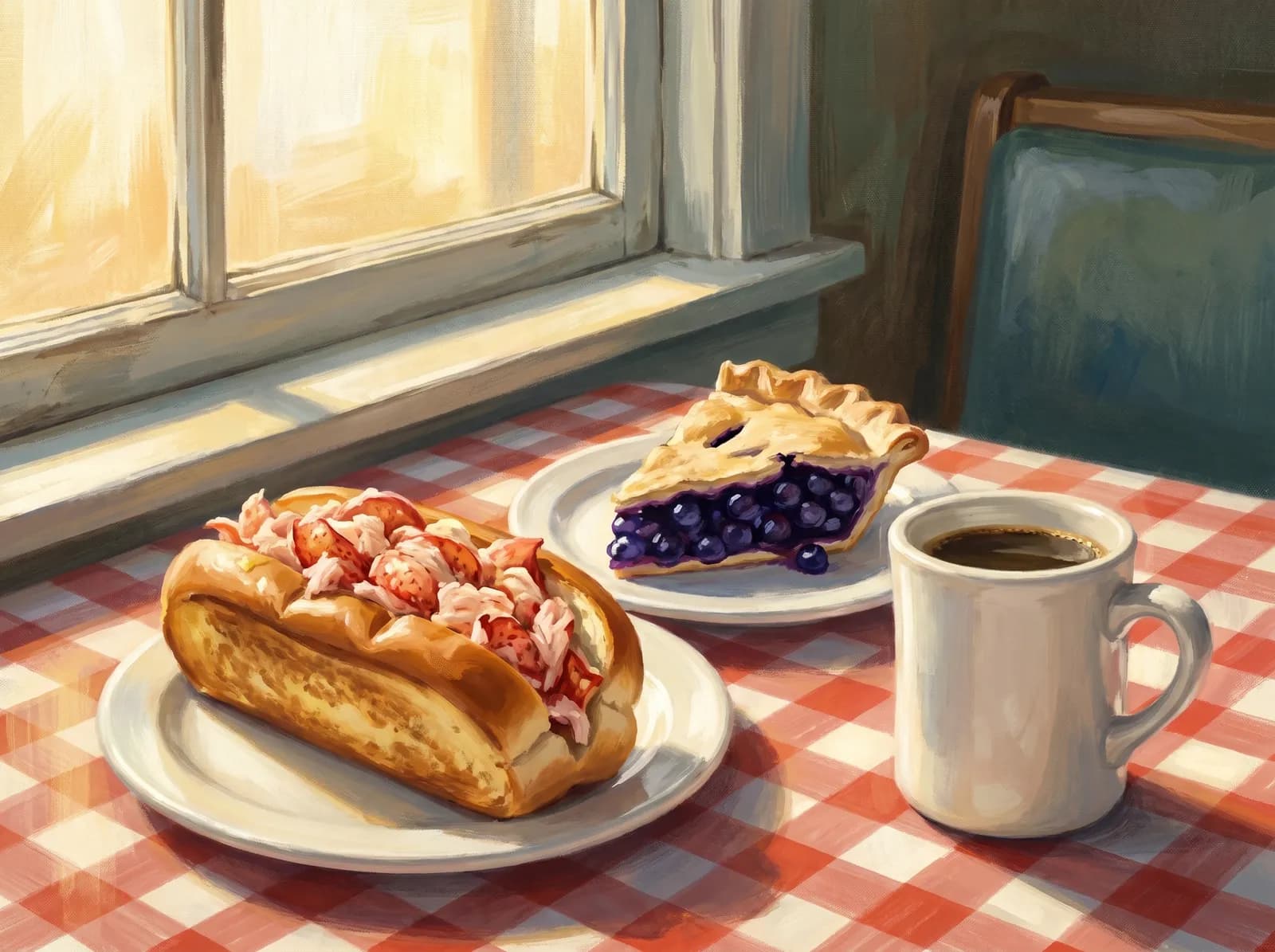
If you only have one night, get the tourtière from Grant’s Bakery and a pint at Baxter. That’s L/A in two stops.

The whole L/A region is within fifteen minutes of 170 Center Street. Direct booking gets our best rate.